

Vol. 10, Issue 51
Because my mind is already flying off to the beach this holiday season!
-
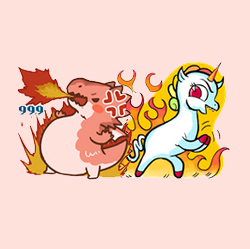
Dragon, Unicorn
Have questions? Dragon and Unicorn have answers!
-

EuroExperience
Bruges and Ghent were probably my favorite from a culinary perspective.
-

Retrogaming
There is a great deal of respect for Arkham Asylum. It is where it all begins.
Featured
-
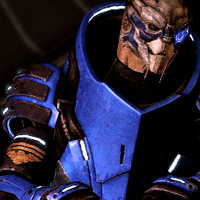
Men of Mass Effect
It should come as no surprise that this article is about the men of Bioware's RPG sci-fi trilogy, Mass Effect.
-
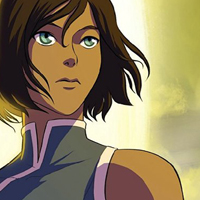
TV: The Legend of Korra, Book 4
I'm still a little undecided about whether I loved the final season of The Legend of Korra.
-

This Is It
These are the days that I thought would never get here, and now they are.
-
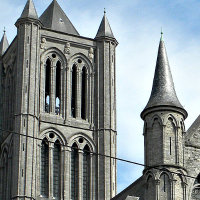
EuroExperience: Ghent
On the third day of our stay in Bruges, my nephew and I took the thirty-minute train ride to Ghent.
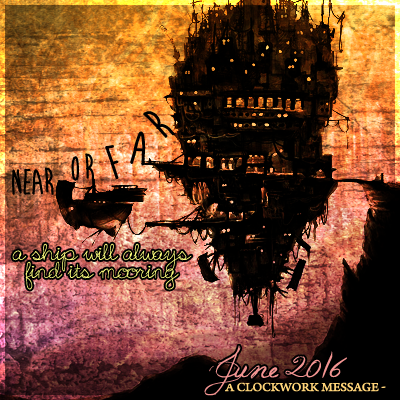
Issue Summary
I love that you guys pulled through on this issue! So many submissions, so little time. Here's what you can look foward to:
- Holy ads and puzzles, Batman! There's lots for you to look at and do this issue.
- I would like to thank all the BINGO participants for their submissions. Some congratulations to February Fortescue and Polaris Black for completing a Bingo! Awards will be added to your profiles momentarily.
- Cassie rounds out this issue with the final book of Legend of Korra. Silmarien discusses the wonderful men of Mass Effect. Just don't ask Cassie about a certain turian unless you're ready for a full-blown squee-fest.
- Sil offers a double-feature of her EuroExperience.
- Ryan reminisces over his time on HOL. Try not to cry at all the nostalgia, guys.
- Don't forget to take a look at our drabble and photo showcase. Lovely stuff about the circus and all. Just avoid the clowns. Those things are...scary. But considering Joker is my current reference of one, it's understandable.
Advertisements



Puzzles



Points
- Articles: 10 each (max 20)
- Graphics: 10 each (max 20)
- Extra: 10 each (max 10)
- DBC: 5 each (max 20)
- BINGO: 10 each (max 20)
- Editors: Up to 30 points
Alte Sententiam © 2015-2016 | The Alte Sententiam is affiliated with HOL Ravenclaw | All Rights Reserved